Croatia's Islands without the Crowds
A slow route to ferries, stays, and beaches where cruise ships never dock.
Blog Details
In shoulder season, terrace tables open, trails are breezy, and rates soften—here’s how to time ferries.
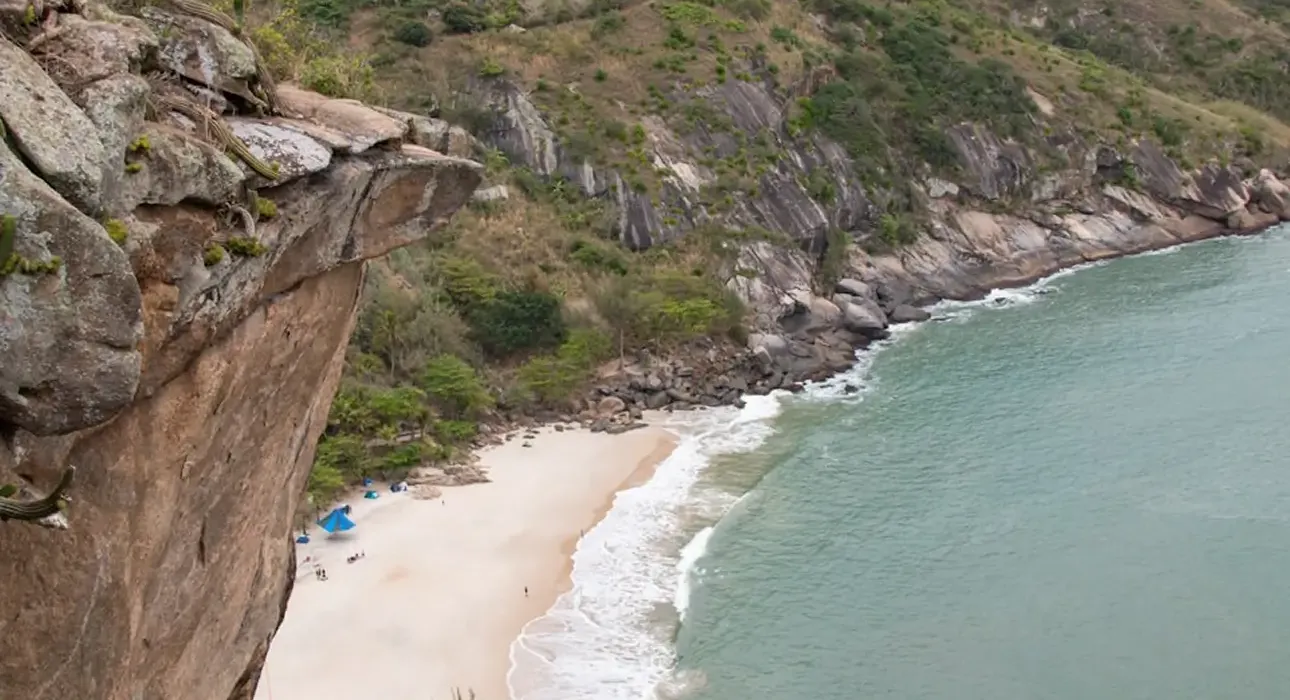
Most people picture the Amalfi Coast in August: packed beaches, bumper-to-bumper traffic on the corniche road, and restaurant waitlists three hours long. But visit in late April or mid-October and you find a different coast entirely. The terraces are open, the trails are breezy, the sea is still warm enough to swim, and the towns feel like they belong to the people who live there.
The Amalfi Coast in shoulder season offers everything the summer version does, minus the friction. The famous views are unchanged: pastel villages clinging to cliffs, lemon groves cascading toward turquoise water, fishing boats bobbing in tiny harbors. But without the peak-season crowds, you can actually stop and absorb what you are seeing. You can linger at a cafe in Ravello without feeling rushed, or walk the Path of the Gods without queueing at narrow sections.
Shoulder season also brings softer light, which transforms the coastline. Morning mist clings to the hills, sunsets last longer, and the colors of the buildings seem deeper and more saturated against the autumn or spring sky.
The rhythm of a shoulder-season visit is gentler. Ferries run on reduced schedules, which means fewer day-trippers and more space on the water. Some restaurants and hotels close for the season, but the ones that stay open are often the best, the family-run places that cater to locals and returning visitors rather than passing tourists.
SITA buses and Travelmar ferries connect the main towns, but schedules thin after October. Check timetables in advance and build flexibility into your plans. A missed ferry is not a disaster; it is an excuse to spend an extra hour in Atrani or Cetara, two of the coast's most underrated villages.
Shoulder season coincides with the lemon harvest in spring and the olive harvest in autumn. Visit a lemon grove in Minori to see how limoncello is made, or join an olive pressing in Tramonti. The food at this time of year is intensely seasonal: fresh anchovies, roasted chestnuts, wild mushroom pasta, and lemon cake made with fruit picked that morning.
The Path of the Gods, the Valle delle Ferriere, and the stairway from Ravello to Minori are all at their best in shoulder season. Temperatures hover around twenty degrees, wildflowers bloom in spring, and autumn brings copper and gold to the chestnut forests above the coast.
The coast does not change between seasons. But the way you experience it does, and that makes all the difference.
Shoulder season on the Amalfi Coast is not a compromise. It is the coast at its most honest, without the performance of peak summer. You trade guaranteed sunshine for something better: space, quiet, and the feeling that you have found a place the way it was meant to be found.
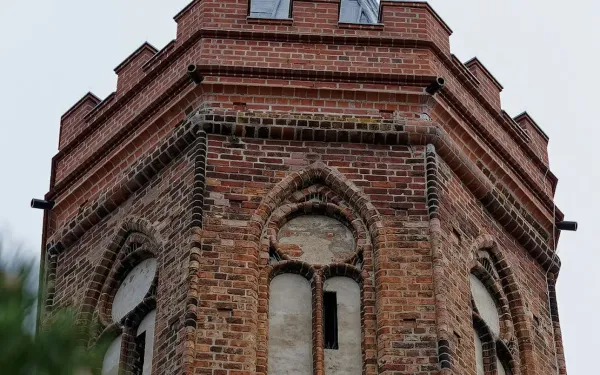
A slow route to ferries, stays, and beaches where cruise ships never dock.
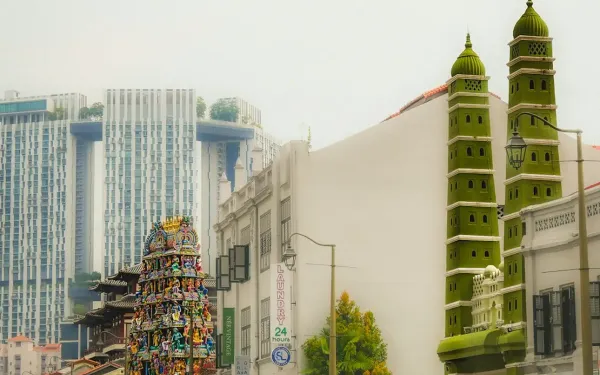
A modular wardrobe, light layers, and weatherproof essentials that flex across every stop on your route.
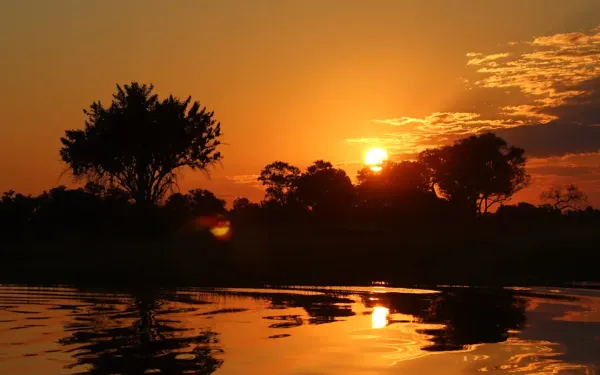
Where wildlife and wilderness converge beautifully.