Amalfi Coast in Shoulder Season
In shoulder season, terrace tables open, trails are breezy, and rates soften—here’s how to time ferries.
Blog Details
Markets by dawn, museums by noon, sea by sunset.
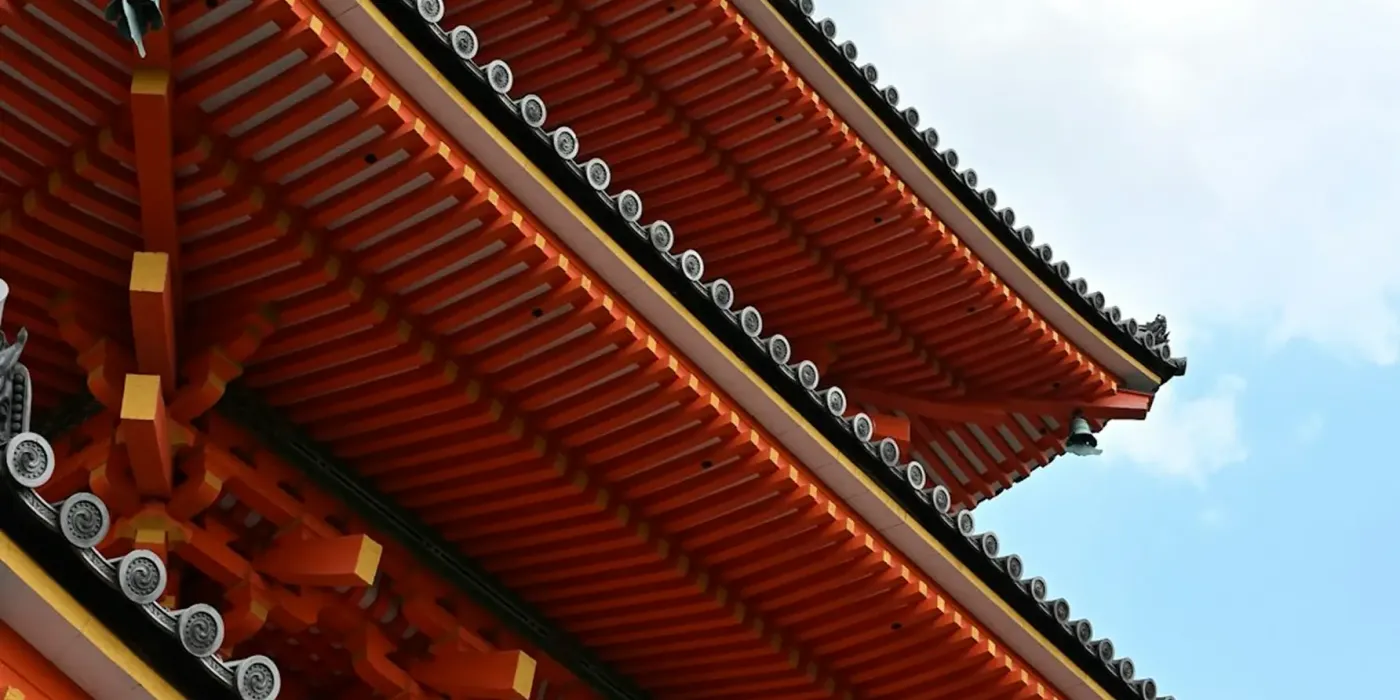
There are places that demand speed and places that reward stillness. Kyoto belongs to the second kind. It is a city where meaning hides in corners, where a garden wall conceals a century of stories, and where a single cup of matcha can hold a full afternoon of attention.
Kyoto offers a rare blend of scenery and daily life. The temples are extraordinary, yes, but so are the side streets, the tea houses, and the quiet canals where herons stand on one leg in the morning mist. The city has a rhythm that resists hurrying, and the best way to experience it is to stop trying to see everything.
What makes Kyoto unique is the way tradition is woven into the present. It is not a museum city, frozen in the past, but a living place where old practices continue because they still matter to the people who keep them alive.
A visit to Kyoto is a mix of calm and lively moments. Early mornings bring temple silence. Midday offers bustling markets. Evenings reveal lantern-lit streets and soft conversation over seasonal dishes. The key is to let each moment happen without rushing to the next.
The bamboo grove at Arashiyama, the golden reflection of Kinkaku-ji, the moss-covered paths of Gio-ji, and the torii gates of Fushimi Inari are just a few of the places where Kyoto reveals its beauty. Each one deserves time and attention.
Attend a tea ceremony in a private machiya. Watch a geiko rehearsal in Gion. Visit a calligraphy studio where ink flows like meditation. These are the moments that slow travel makes possible, and they are the ones you will remember longest.
Kyoto's cuisine is an art form in itself. Try kaiseki, the multi-course meal that follows the seasons. Sample yudofu, the simple tofu dish that monks have eaten for centuries. Visit Nishiki Market for pickles, mochi, and fresh fish on sticks.
On our last morning in Kyoto, we followed a stone path behind a neighborhood shrine and found a woman sweeping leaves into neat piles. She nodded, smiled, and continued her work. There was no sign, no entrance fee, no crowd. Just a quiet act of care for a small, beautiful place. That is what Kyoto teaches you, if you let it.
You learn more by walking a single foreign street than by reading a dozen maps.
Day 1: Arrive, settle into a machiya guesthouse, walk to Nishiki Market, evening stroll through Pontocho alley.
Day 2: Morning at Fushimi Inari (arrive by 6 AM), afternoon tea ceremony, evening kaiseki dinner.
Day 3: Arashiyama bamboo grove, Gio-ji temple, lunch at a riverside café, sunset from Togetsukyo Bridge.
Kyoto is not a destination you conquer. It is a place you receive. The slower you move, the more it gives you. And when you leave, you carry with you not a list of sights seen, but a feeling of time well spent.
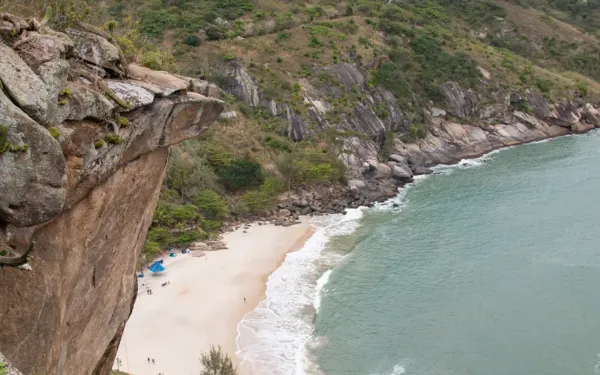
In shoulder season, terrace tables open, trails are breezy, and rates soften—here’s how to time ferries.
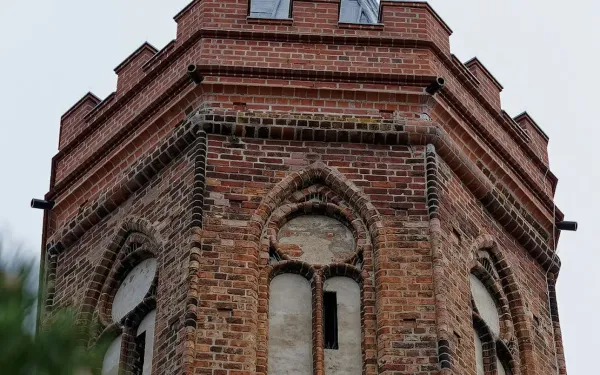
A slow route to ferries, stays, and beaches where cruise ships never dock.
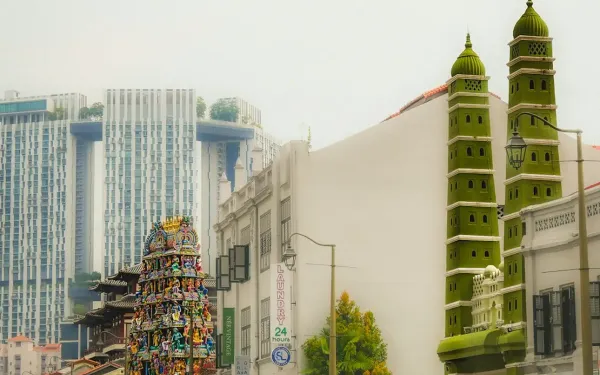
A modular wardrobe, light layers, and weatherproof essentials that flex across every stop on your route.