Amalfi Coast in Shoulder Season
In shoulder season, terrace tables open, trails are breezy, and rates soften—here’s how to time ferries.
Blog Details
Where wildlife and wilderness converge beautifully.
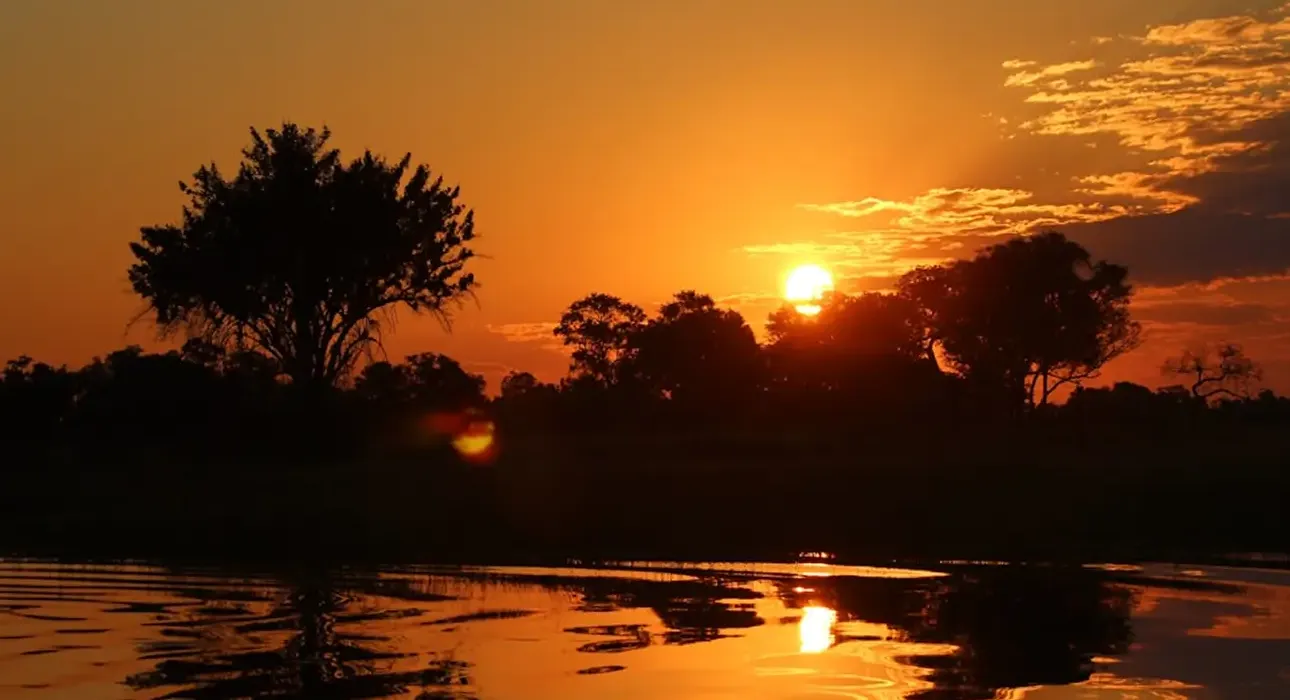
The Okavango Delta is not a place you visit so much as a place that absorbs you. Arriving by light aircraft, you see the floodplains spread beneath you like a watercolor painting, channels of silver threading through green islands. By the time your feet touch the ground at a bush camp, the sounds of the wild have already replaced every noise you carried with you from the city.
Botswana's Okavango Delta is one of the last truly wild places on the African continent. Unlike the well-trodden circuits of East Africa, the Delta enforces its own pace. Game drives happen in open vehicles through shallow water. Mokoro rides, in traditional dugout canoes, bring you eye-level with hippos and lilies. And at night, with no light pollution for hundreds of kilometers, the southern sky opens above you in a way that redefines what you thought you knew about stars.
What sets the Okavango apart is the water itself. This is an inland delta, fed by rains that fall in Angola and arrive months later, flooding the Kalahari sand in a seasonal rhythm that draws wildlife from every direction. The result is an ecosystem of staggering density and variety.
Days in the Delta follow the sun. You rise before dawn for a game drive or a walking safari with an armed guide. Midday is for rest, reading, and watching elephants drift past camp. Afternoons bring a second outing, often by mokoro, gliding through papyrus channels so quietly you can hear a kingfisher dive.
Expect to see elephants in large herds, buffalo grazing on floodplain edges, leopards lounging in sausage trees, and wild dogs on the hunt. Birdlife is extraordinary, with over four hundred species recorded, including African fish eagles, lilac-breasted rollers, and saddle-billed storks. The delta is also one of the best places on earth to see the endangered African wild dog.
After dinner around the fire, guides point out the Southern Cross, the Magellanic Clouds, and the dense band of the Milky Way. Many camps offer star beds, raised platforms where you sleep in the open with nothing between you and the sky. It is an experience that stays with you long after you leave.
The delta does not perform for you. It simply lives, and you are allowed to watch.
The Okavango teaches you something about attention. With no phone signal and no schedule beyond sunrise and sunset, you begin to notice things you would normally miss: the way light moves across water, the sound of a fish eagle calling its mate, the stillness of a heron waiting to strike. You leave the Delta not with a checklist of animals seen, but with a deeper sense of what it means to be present in a wild place.
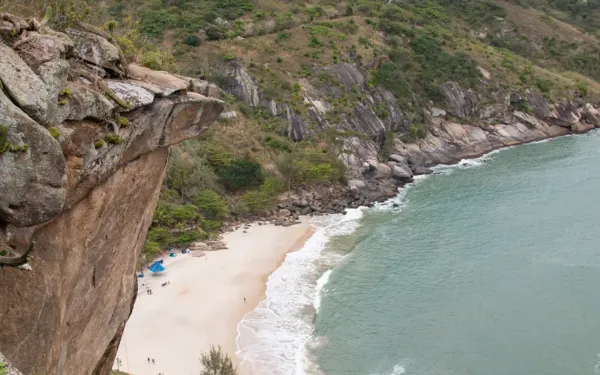
In shoulder season, terrace tables open, trails are breezy, and rates soften—here’s how to time ferries.
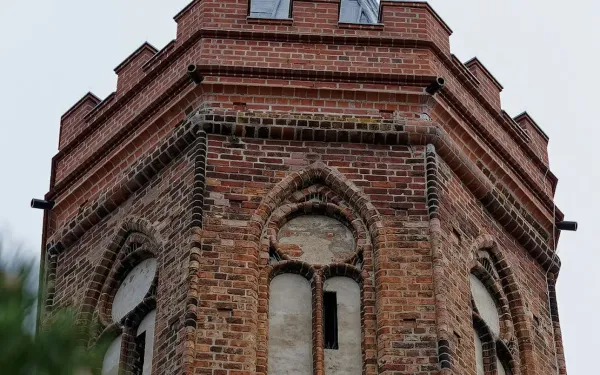
A slow route to ferries, stays, and beaches where cruise ships never dock.
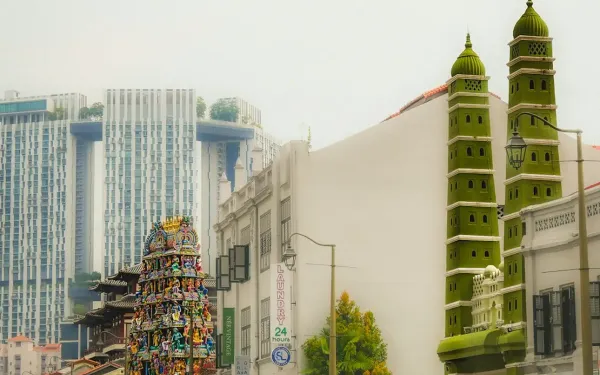
A modular wardrobe, light layers, and weatherproof essentials that flex across every stop on your route.