Amalfi Coast in Shoulder Season
In shoulder season, terrace tables open, trails are breezy, and rates soften—here’s how to time ferries.
Blog Details
A slow route to ferries, stays, and beaches where cruise ships never dock.

Croatia's coastline has over a thousand islands, but most visitors see only a handful. Hvar gets the party crowd, Korcula draws the Game of Thrones pilgrims, and Brac fills up with families in July. Meanwhile, dozens of quieter islands sit just a ferry ride away, offering empty beaches, stone villages, and the Adriatic at its most unspoiled.
The lesser-known Croatian islands have not been overlooked by accident. They lack the boutique hotels and beach clubs that attract the Instagram crowd, and that is precisely their appeal. Islands like Vis, Lastovo, Dugi Otok, and Mljet offer a version of the Adriatic that feels decades removed from the cruise-ship ports of Split and Dubrovnik.
These islands reward slow travel. There are no attractions to rush between, no must-see lists to complete. Instead, there are coves to swim in, konobas to eat at, and long afternoons where the only sound is cicadas and the slap of waves on limestone.
Island-hopping in Croatia requires some planning, but the logistics are simpler than they appear. Jadrolinija and Krilo operate regular ferries between the mainland and most islands, and catamaran services connect several islands directly to each other.
Closed to foreigners until 1989 due to its Yugoslav military base, Vis is the most remote of the major Dalmatian islands. The town of Komiza is a working fishing village with excellent restaurants. The Blue Cave on nearby Bisevo is a natural wonder worth the boat trip, and the interior of the island is dotted with abandoned military tunnels and vineyards producing crisp white Vugava wine.
Lastovo is Croatia's most distant inhabited island, a nature park with no large hotels and almost no artificial light. It is one of the best places in Europe for stargazing. The village of Lastovo town, hidden in a valley rather than on the coast, has a unique chimney architecture found nowhere else in the Mediterranean.
Stretching forty-five kilometers along the Zadar archipelago, Dugi Otok is home to Telascica Nature Park and the salt lake of Mir. The western coast is sheer cliff, dramatic and windswept. The eastern coast is sheltered, with sandy bays and clear water ideal for snorkeling.
The best islands are the ones that do not try to impress you. They simply exist, and you are welcome to join them.
Croatia's quiet islands are not undiscovered. Locals have known about them forever, and a steady trickle of repeat visitors returns each summer. But they remain uncrowded because they offer a kind of travel that not everyone wants: slow, simple, and stripped of luxury. If that sounds like exactly what you need, catch the next ferry and leave the mainland behind.
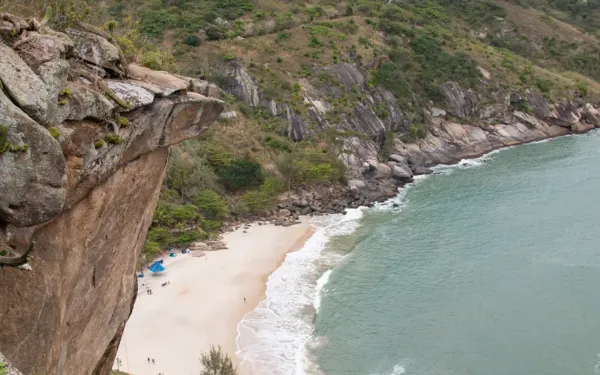
In shoulder season, terrace tables open, trails are breezy, and rates soften—here’s how to time ferries.

A modular wardrobe, light layers, and weatherproof essentials that flex across every stop on your route.
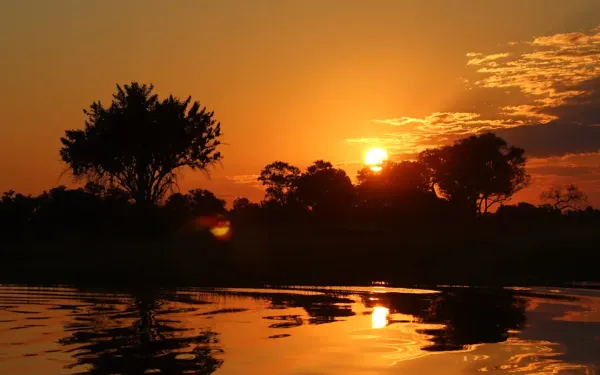
Where wildlife and wilderness converge beautifully.