Amalfi Coast in Shoulder Season
In shoulder season, terrace tables open, trails are breezy, and rates soften—here’s how to time ferries.
Blog Details
A slow route through hill towns and tasting rooms where every glass tells a story.
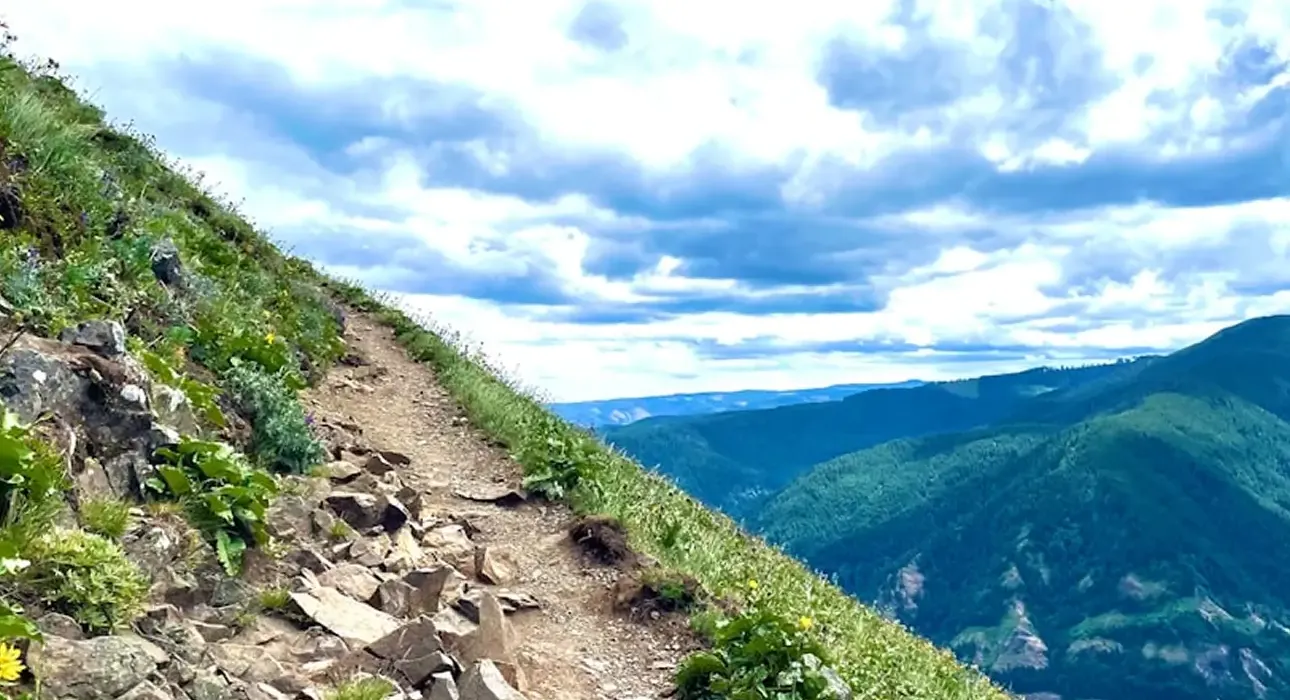
Tuscany is one of those rare places where the landscape itself tells a story. Every hill town was built where it stands for a reason: defense, trade, a spring, a crossroads. Every vineyard follows contours shaped by centuries of cultivation. To travel through Tuscany by village and vineyard is to read that story one chapter at a time, with a glass of Brunello in hand.
Tuscany's appeal is no secret, but most visitors experience it from Florence or Siena, darting out for a day trip and returning by dinner. The real Tuscany lives in the spaces between the famous cities: the hill towns too small for tour buses, the family vineyards that sell wine only from their cellar door, and the trattorias where the menu is whatever the cook decided to make that morning.
What sets this region apart is the depth of its food and wine culture. This is not cuisine created for restaurants. It is peasant cooking elevated by extraordinary ingredients: olive oil pressed from trees planted by someone's great-grandmother, bread baked without salt in a tradition that dates back centuries, and wine made from grapes that have grown on the same slopes since the Etruscans.
A week in rural Tuscany moves at the pace of the land. Mornings are for walking the lanes around your agriturismo, visiting a weekly market, or driving to a neighboring village for coffee in the piazza. Afternoons are for vineyard visits, where tastings are unhurried and the winemaker often pours from barrels that will not be bottled for another year.
Montepulciano sits on a ridge with views in every direction and cellars carved into the tufa rock beneath the town. San Gimignano rises like a medieval Manhattan, its towers silhouetted against the sky. Pienza, redesigned in the fifteenth century as an ideal Renaissance town, is tiny and perfect, with a pecorino cheese tradition that draws food lovers from across Italy. Montalcino, home of Brunello, is quieter and more serious, a town devoted to wine.
Tuscany produces some of Italy's greatest wines. Chianti Classico, Brunello di Montalcino, Vino Nobile di Montepulciano, and the so-called Super Tuscans each have distinct character. Visit small estates rather than large commercial operations. The best tastings happen at a farmhouse table with the winemaker explaining the soil, the weather, and the choices that shaped each vintage.
Tuscany is the birthplace of the Slow Food movement, and you taste why at every meal. Ribollita, the thick bread and vegetable soup. Pici, the hand-rolled pasta served with wild boar ragu. Bistecca alla fiorentina, the massive T-bone grilled over chestnut wood. Every dish is simple, seasonal, and deeply satisfying.
In Tuscany, the land feeds you in every sense. You leave nourished not just by the food, but by the beauty of where it comes from.
Tuscany by village and vineyard is not a fast trip. It is not meant to be. The region asks you to slow down, to eat lunch for two hours, to stop the car when the light on a hillside catches your eye. If you let it, Tuscany will teach you that the best travel is not about covering distance but about paying attention to where you are.
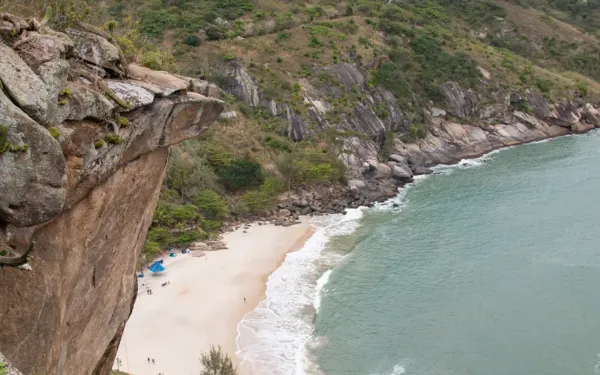
In shoulder season, terrace tables open, trails are breezy, and rates soften—here’s how to time ferries.
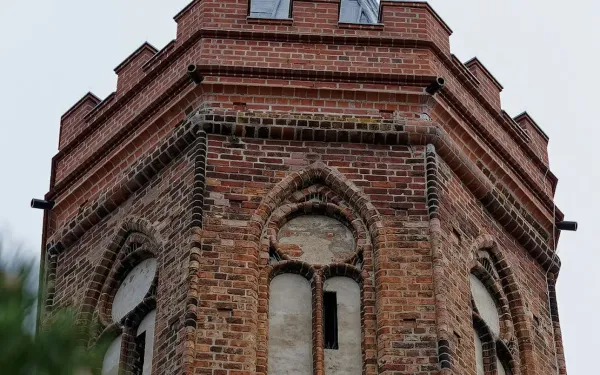
A slow route to ferries, stays, and beaches where cruise ships never dock.
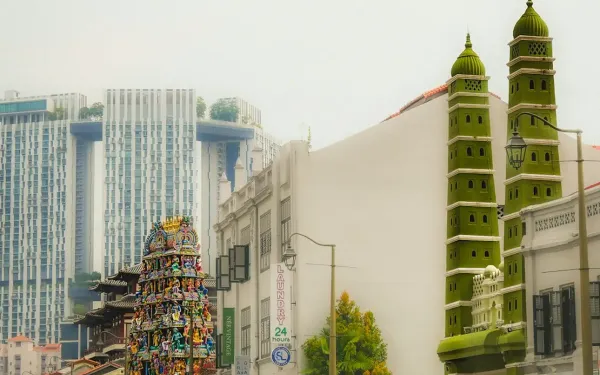
A modular wardrobe, light layers, and weatherproof essentials that flex across every stop on your route.