Amalfi Coast in Shoulder Season
In shoulder season, terrace tables open, trails are breezy, and rates soften—here’s how to time ferries.
Blog Details
Wind lines, kettle steam, and your own breath become the map in the vast silence of the Sahara.
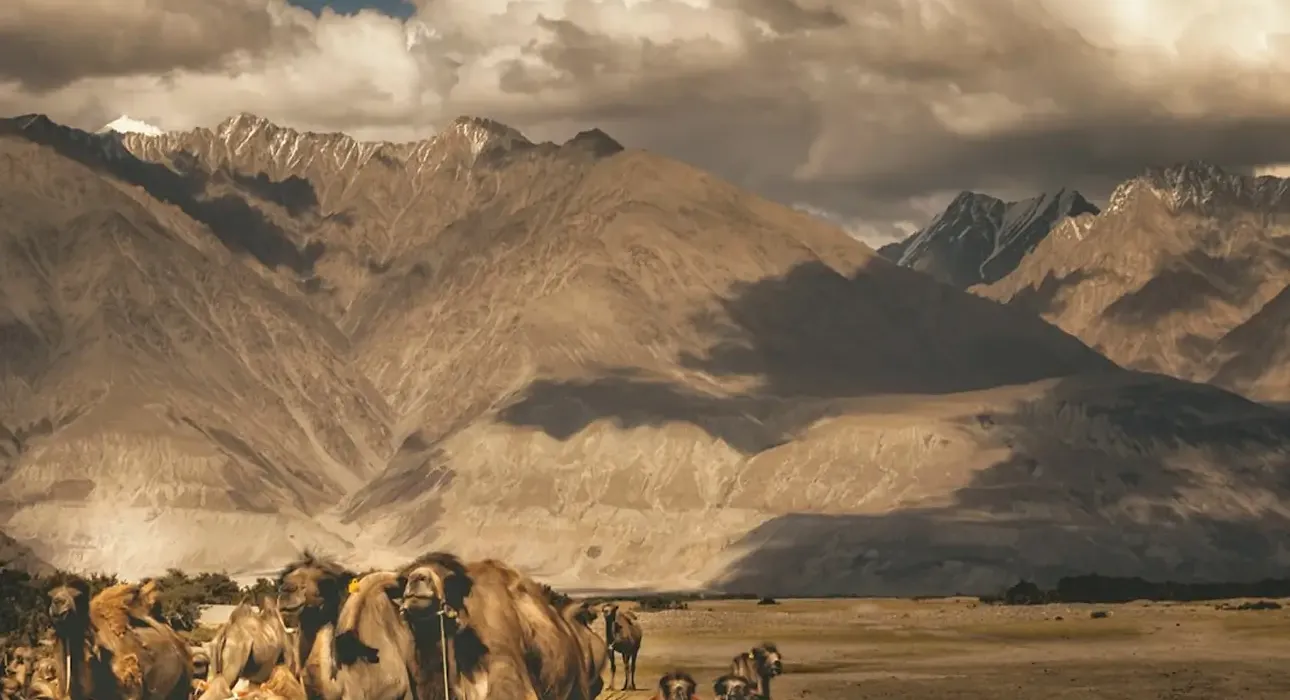
You do not go to the Sahara for comfort or convenience. You go because something in you needs to hear what silence actually sounds like. Not the silence of a quiet room, which is still full of humming appliances and distant traffic, but the silence of a landscape so vast and empty that your own heartbeat becomes the loudest thing you can hear.
The Sahara is the world's largest hot desert, stretching across eleven countries and nearly nine million square kilometers. But statistics cannot capture the experience of standing in it. The scale is disorienting. Dunes rise and fall like slow ocean waves, their ridgelines sharp against a sky so blue it looks painted. There are no landmarks, no roads, no fences. Direction becomes a matter of sun angle and wind pattern, and time loses its urgency entirely.
What makes the desert remarkable is not its emptiness but its subtlety. Once your senses adjust, you begin to notice everything: the way sand changes color with the light, the tracks of a beetle crossing a dune face, the faint smell of woodsmoke from a nomad camp over the next ridge.
A desert journey typically begins from a gateway town, Merzouga in Morocco, Douz in Tunisia, or Djanet in Algeria, where you meet your guide and load camels or a four-wheel drive for the trek inward. The first hours feel like theater. By the second day, something shifts. The quiet gets inside you.
Tuareg and Berber guides are not just navigators; they are storytellers, musicians, and keepers of a culture shaped entirely by the desert. Evenings around the fire bring mint tea, songs accompanied by hand drums, and stories told in languages that predate every border on the map. Their knowledge of the land is astonishing: they read dunes the way sailors read waves.
On a still night in the deep Sahara, the silence is so complete it becomes a physical sensation. You hear your blood moving. You hear the sand cooling and contracting with tiny clicks. You hear, for perhaps the first time, what the world sounds like without human noise. It is unsettling and then deeply calming.
The desert does not speak. It waits until you are quiet enough to hear what was always there.
The Sahara does not offer the kind of travel experience you can photograph and share easily. Its gift is internal: a recalibration of your senses, a reminder of scale, and a silence so profound it stays with you long after you return to the noise of ordinary life. If you have ever felt overstimulated by the modern world, the desert is the antidote.
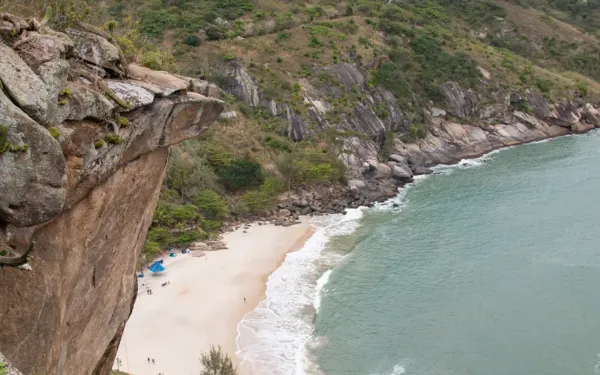
In shoulder season, terrace tables open, trails are breezy, and rates soften—here’s how to time ferries.
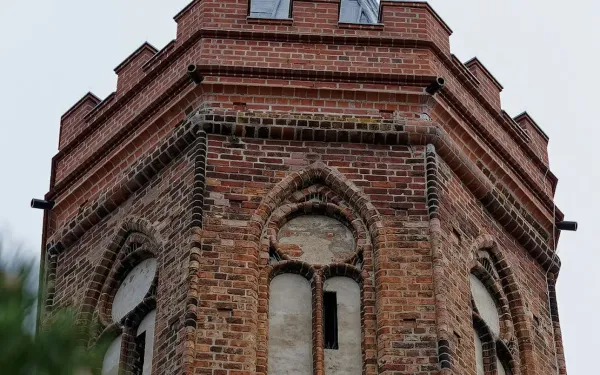
A slow route to ferries, stays, and beaches where cruise ships never dock.
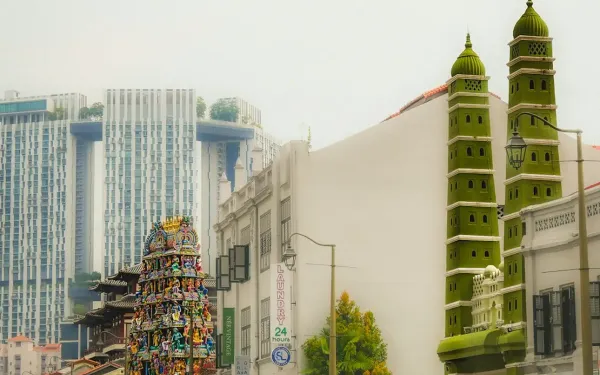
A modular wardrobe, light layers, and weatherproof essentials that flex across every stop on your route.